 07442 978709
07442 978709

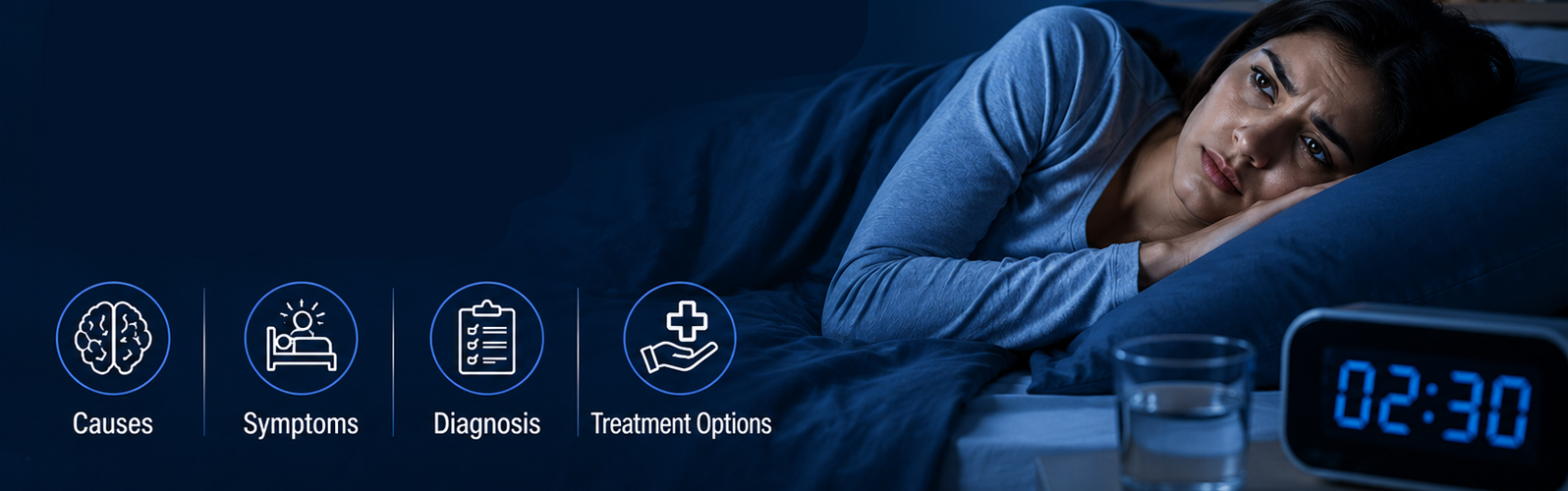
People think that sleep will always come to them without effort, but that assumption becomes false when they experience sleep difficulties. The symptoms of excessive daytime sleepiness and nighttime sleep disturbances indicate the presence of medical conditions that require expert evaluation. Insomnia is a condition that develops next.
Insomnia stands as one of the most widespread sleep disorders that affects millions of individuals throughout the United Kingdom. While many people experience it for a short time during periods of high stress, some individuals develop ongoing symptoms that disrupt their physical and mental health and routine activities.-
Sleep serves as an essential function that helps the body to process memories, control emotions, and heal physical injuries. Many people report that worrying about sleep makes insomnia worse. A continuous pattern of sleep disruptions leads to negative effects that extend throughout all areas of existence, including work and personal relationships.
Individuals who experience insomnia face challenges in the ability to fall asleep, stay asleep, and fall back asleep when they wake up too early. The difference in the experience of a bad night of sleep and insomnia is the ongoing nature of the effects of the situation, which continue to happen over an extended period of time. In the clinical definition of the situation, the condition must be experienced three times a week over the course of three months before the condition can be diagnosed. This definition aligns with guidance from the NHS. Individuals who experience insomnia have the following symptoms:
There is a general misconception that this condition is brought about by one factor only. The condition is brought about by a number of factors, and these factors together bring about this condition. The multiple factors that bring about this condition are the ones that will bring about a pattern that promotes itself. This is why professional help is always required to cure this condition.
Insomnia exists in multiple forms because different types of insomnia require different treatment methods. The assessment of the type of insomnia helps doctors choose the proper treatment solution.
People who have acute insomnia will have problems sleeping for a short period. It can be attributed to various factors such as:
It lasts for between three days and three weeks until it ceases when people no longer have the situation they had. Most people can recover without medical treatment through improvements in sleep habits and reduction of stress factors.
Chronic insomnia is longer-lasting and more complex. The condition is diagnosed when sleep disturbances happen three times per week for three months or more.
Chronic insomnia continues beyond the time when its original cause has resolved. The brain develops a connection between the bed and wakefulness instead of sleep, which leads to an unbreakable sleeping pattern.
Chronic insomnia needs official medical treatment because basic lifestyle changes prove ineffective. The condition leads to permanent health problems for both mental and physical health without successful treatment.
People who experience insomnia need to understand that their condition results from multiple reasons. The condition develops through different factors that work together to create multiple sleep disturbances.
Insomnia starts to develop in people because stress is one of the major driving factors for its development. The body is no longer able to sleep because the brain is awake and remains conscious.-
Stress is something that people experience through different factors, such as:
Stress also contributes to anxiety, and anxiety leads to a situation where one is worried about sleep, making it even harder to sleep. The anticipation and expectation of having a poor night's sleep every night turn into a sleep problem.
The role of daily habits is bigger than people think. The body goes through major disruptions because of poor sleep hygiene, affecting its natural sleep pattern.
The major lifestyle habits are as follows:
The brain goes into an active state when a person checks the phone while in bed, hence delaying sleep. The body is affected through these habits, and this disrupts the internal body clock, causing difficulties in maintaining a regular sleep pattern.
Insomnia establishes an important link with mental health disorders.
Conditions such as:
These are known to cause or contribute to the development of insomnia. Sleep problems are known to manifest themselves first to signal an underlying mental health disorder. Permanent treatment of the disorders involves the simultaneous treatment of sleep problems.
Some of the physical health problems that have been known to impact sleep include:
Sleep patterns of patients using drugs to manage their medical conditions may be affected. In such cases, it is advisable to seek medical attention to reduce the side effects.
However, your sleep environment is more important than you think.
The common disturbances experienced by people include:
The body is unable to attain deep sleep after going through all the disturbances experienced during sleep. The creation of a conducive environment for sleep will yield improvements in sleep over an extended period.
The effects of insomnia extend beyond nighttime hours because they disrupt your ability to operate during daytime periods.
Over time, untreated insomnia can increase the risk of more serious health issues, which include cardiovascular problems and weakened immune function. It also affects decision-making processes, reaction time, and emotional stability.
Daily functioning assessment is required to establish the proper diagnosis, which becomes important when people start experiencing sleep disturbances. In the UK, the diagnosis of insomnia considers clinical assessment and the patient's history rather than depending on the use of sophisticated testing techniques.-
The process of diagnosis begins with a GP who seeks more information on your sleep patterns, lifestyle, and health condition. It is important to give the doctor more information on the duration of the symptoms experienced and the effects of the symptoms on the patient's daily functioning. You may be asked to maintain a sleep diary over a few weeks, which will help you observe your sleeping patterns and establish the trigger points.
The treatment of insomnia requires different methods, which depend on how severe the condition is and how long the person has experienced sleeping problems. A combination of different treatment methods proves most effective because it allows for customized treatment based on each person's specific needs and their health issues. People need to understand that treatment requires customization because different patients need different approaches to their medical needs. The value of personalized care with expert assistance exists because one treatment method that helps one person does not work for another individual.
The National Institute for Health and Care Excellencerecommends cognitive behavioural therapy (CBT-i) as the first-line treatment for chronic insomnia, which doctors use in both the United Kingdom and various countries worldwide.
CBT-i solves sleep problems through its method, which treats the fundamental thought patterns and behavior patterns that cause sleep disruptions.
The program focuses on the following areas:
The techniques used in this method include sleep restriction, stimulus control, and relaxation. These techniques are used to promote the development of good sleeping habits.
This is because CBT-i has shown its capacity to bring about prolonged benefits without any side effects, as is seen with medication. The process readjusts the brain to ensure that it associates the bed with sleeping again. There are different ways that individuals in the UK can get CBT-i, including through the NHS and sleep specialist clinics. Digital technology for CBT-i offers individuals new opportunities for getting the therapy, especially for those who are unable to take part in face-to-face therapy.
However, there are some advantages of medications that can be used under certain conditions, for example, in terms of short-term relief.
Doctors are also advised not to use medication as a means that lasts longer than a short time. The patients become dependent on the medication, and the medication is no longer effective after a longer time. The UK healthcare system follows a cautious approach to medication, including CBT-I behavioral therapy methods. Regular consultations with a healthcare provider are also important.
Despite the need for professional help, lifestyle changes are still important.
The following are the practical steps that need to be taken:
Although these changes may seem simple, they are the building blocks for a healthy sleep pattern. The process of developing a healthy sleep pattern requires people to make changes every day, and after a while, the quality of sleep is improved.
People experience sleep disturbances from time to time. But if insomnia:
It's worth speaking to a healthcare professional.
The best time to treat insomnia is before it develops into a long-term disorder. A GP or sleep specialist can help identify underlying causes and recommend appropriate treatment options based on individual needs.
Insomnia is more than just a sleep problem because it develops into a complete life-altering condition when people do not receive treatment for it. The positive news about sleep disorders shows that people can achieve better sleep results through proper treatment methods because they exist. The basic meaning of this statement shows that both cause understanding and symptom treatment hold equal importance.
People should take action as soon as sleep problems start because they can improve their situation through three methods, which include lifestyle changes, CBT-i, and professional guidance. People can achieve better sleep results when they receive adequate assistance for their sleep-related issues.
The information in this article is general information and should not be considered a replacement for expert medical advice, diagnosis, and treatment. Those who have problems with sleep disturbances or insomnia symptoms should seek advice from a medical expert or a general practitioner.
The content provided on this page is intended for general informational and promotional purposes only and should not be interpreted as medical, clinical, or professional advice.
Any decisions regarding diagnosis, treatment, or patient care must be made exclusively by qualified and licensed healthcare professionals based on individual circumstances.
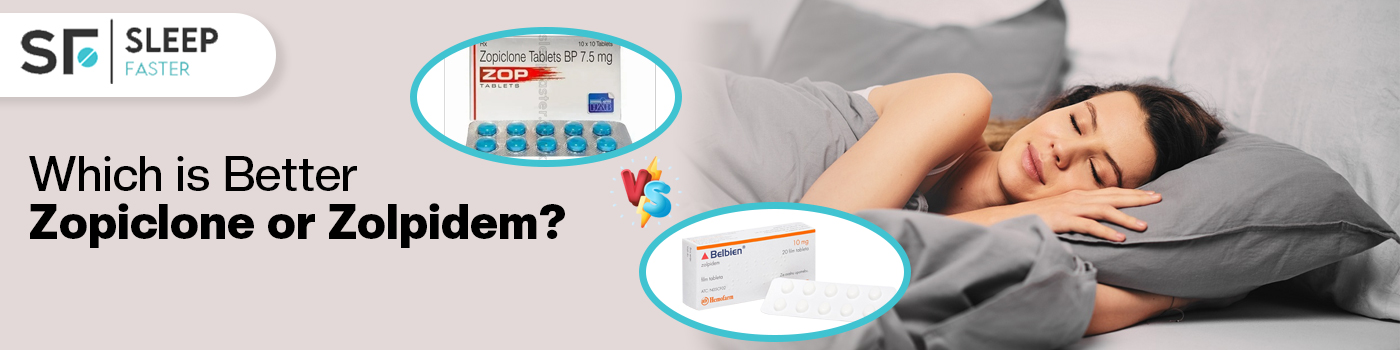
The day has passed, and you have followed all the right steps to calm down your body and mind-no screens, a cup of camomile tea, a dark room but still, your brain doesn't want to rest. Do you relate to this nightly struggle of yours? Then it is probably your doctor who will recommend a sleeping drug to you next. In the UK, the two names you will get to hear the most are Zopiclone and Zolpidem.

Is there such a thing as the 'best' anxiety medication? It's a query that millions of people in the UK and around the globe raise when anxiety takes over their lives. You're looking for a wonder drug that can deactivate worry, and even the racing heart and sleepless nights that go along with it. If you are simply consider undergoing treatment, you will very quickly understand that the answer is not just one name, but rather the whole toolkit of options.

Do you find yourself in the situation where you have to take a sleep aid like Zopiclone and an anxiety treatment like Diazepam at the same time and were thinking about using them together to get more relief?

Is your brain is constantly running a marathon? Do you find yourself trapped in a mental cycle, going over the same conversations or worrying about future possibilities until you are unable to concentrate? This constant mental activity is what we refer to as overthinking or rumination; it is one of the main symptoms of anxiety for many persons. It is tiring, exhausting, and may lead to the feeling of being totally immobilized.
Spending five days or a couple of weeks deprived of sleep, the allure of something giving quick relief would be a strong one. As you lie awake in bed, your mind abuzz with thoughts, of course, morning comes, and you would hardly feel rested one bit. Some people begin posing suggestions to their GPs about medications at this point. One of the often-suggested names is hydroxyzine.
It is quite possible that in an attempt to figure out what to do to escape from insomnia, people consider taking a drug. After a few nights, even people who avoid drugs may rely on the thought that taking a pill may just help. Amitriptyline crosses our minds as one of them, though it has been used predominantly as an antidepressant; in times of nightmare-laden sleeplessness, it can be one of the quickest choices.
Insomnia is a common sleeping disorder that is characterized by either having difficulty falling asleep or difficulty in staying asleep. It can affect your mood, concentration, and routine activities. It can be categorised as short-term and long-term insomnia.

Nighttime sleep should not create an experience that feels like a fight for most people. You enter your bedroom and switch off all lights, but your brain starts to relive your entire day while making future plans. People need to understand that sleep comes to them faster when they create sleep-friendly conditions in their environment. People should create sleep-friendly environments every day that enable their bodies and minds to achieve sleep.
Waking up during the night and struggling to fall back asleep is one of the most frustrating sleep problems people experience. People with this condition may fall asleep easily but wake during the night and struggle to return to sleep for hours. Sleep maintenance insomnia is a common sleep disorder that is often misunderstood.