 07442 978709
07442 978709

It is quite possible that in an attempt to figure out what to do to escape from insomnia, people consider taking a drug. After a few nights, even people who avoid drugs may rely on the thought that taking a pill may just help. Amitriptyline crosses our minds as one of them, though it has been used predominantly as an antidepressant; in times of nightmare-laden sleeplessness, it can be one of the quickest choices.
Amitriptyline is classified with tricyclic antidepressants as belonging to a group of drugs and has been in use since the 1960s, showing its benefits in coping with depression and conditions such as nerve pain, chronic headaches, and some long-lasting aches, at lower doses compared to those used for severe depression.
Sedation has prompted the practice of prescribing this off-label in cases of insomnia. Off-label, in basic terms, reflects this practice that the medication gets prescribed for any use other than its officially recognized application. This is not so uncommon in the UK, especially when doctors want to skip stronger nonbenzodiazepine sleeping tablets that carry a high risk of dependency.
Amitriptyline alters how some chemicals in the brain, though primarily those where serotonin and noradrenaline are relevant, operate. Such messengers modulate our moods, pain signals, and alertness. When these delicate equilibrium patterns are disturbed, individuals usually feel a sense of peace and ease.
The sleep-creating capacity from low doses can even lead to drowsiness to a greater extent. Therefore, it is sometimes observed that some individuals find their drift just after beginning to take Amitriptyline in the evening. This effect is not the same as the natural pressure that builds from being awake during the day and falling quickly as people tire, but it may carry a similar sort of experience.
The dosage regimens that utility startups use are generally lower compared to those for depression. At decision points toward the upper limit for insomnia, 25 mg can be taken if needed. To prolong the time so as not to have to consider superfluous considerations of the mood disorder range, it might be around 10 mg.
The goal here is to reduce the load on an individual while still conferring the requisite relaxation. However, while used at these low doses, the drugs tend to hang around in the system for a long time. This has repercussions in terms of side effects.
Amitriptyline has quite a long list of side effects owing to its action on several systems in the body. Every other person on amitriptyline experiences a dry mouth, mild dizziness, constipation, or a dull headache. Some add on weight during the course. More critical reactions are rare but pose major concerns, including immediate notification of the doctor due to irregular heartbeats, short breaths, or chest pains.
Furthermore, frustration sets in on the following day due to how the drug takes away one's feelings.
Amitriptyline does not actually switch off the brain during nighttime. It induces a state of sedation through its alterations in chemical signalling. Such a sequence might allow you to drift off. However, the guarantee that it is good, restful, or refreshing sleep is directly affected.
Sleep happens in a cycle of stages that vary from light to deep restorative stages to REM sleep, which is necessary for memory consolidation and emotional processing. Tricyclic antidepressant agents (e.g. amitriptyline) modify that cycle; they tend to suppress REM sleep and often prevent the deep slow-wave sleep. So essentially, your brain and body won't be properly recovering even when you are out cold for several hours, leading to most mornings that are groggy, fog-ridden, or not refreshing at all, even after what appears to be a full night of sleep in bed.
Some people feel sleepy within a few hours of their first dose. For others, it can take a week or two for the sedating effect to become obvious. This depends on the dose and how quickly your body processes the drug.
It is usually taken a couple of hours before bedtime so that the strongest drowsiness lines up with when you want to sleep. Even then, because amitriptyline remains active in the body for 12 to 24 hours, its influence often spills into the next day.
For people who take amitriptyline for chronic pain, better sleep sometimes follows. But this does not mean the drug is improving sleep directly. It often reduces the pain that was keeping them awake. The underlying sleep quality may not actually be getting better.
In fact, some studies suggest that amitriptyline can worsen certain aspects of sleep architecture, even while making people feel drowsy.
Habbit, stress, and learned behaviour about what happens or does not happen when falling asleep often drive less serious forms of insomnia. Sometimes medication can cover that up for a few weeks, which exceptionally harsh opinions misinterpret as a cure.
This is why cognitive-behavioural therapy for insomnia, or CBT-i, is now recognized as the initial treatment line for this sleep disorder in the UK. It works on the thoughts and behaviours that keep sleep stuck and helps the body to return to a more natural rhythm without any medicines.
Amitriptyline is a mild hypnotic compared to its best actions as an antidepressant, and some people find this helps some with specific types of insomnia. According to Amanda Gardner, low-dose amitriptyline could "calm down people who are awake at night but not during the day." For some disturbed type of sleep, this may be just what people need to face in order to have truly peaceful, casual sleep.
Low doses of amitriptyline will offer some relief and improvements in sleep habits under the watchful consideration of a GP. This adaptation offers support and fortifies the senses and emotions, that is, feelings of susceptibility toward good sleep, because the state of the body must sometimes really be addressed in order for the mind to settle down.
The content provided on this page is intended for general informational and promotional purposes only and should not be interpreted as medical, clinical, or professional advice.
Any decisions regarding diagnosis, treatment, or patient care must be made exclusively by qualified and licensed healthcare professionals based on individual circumstances.
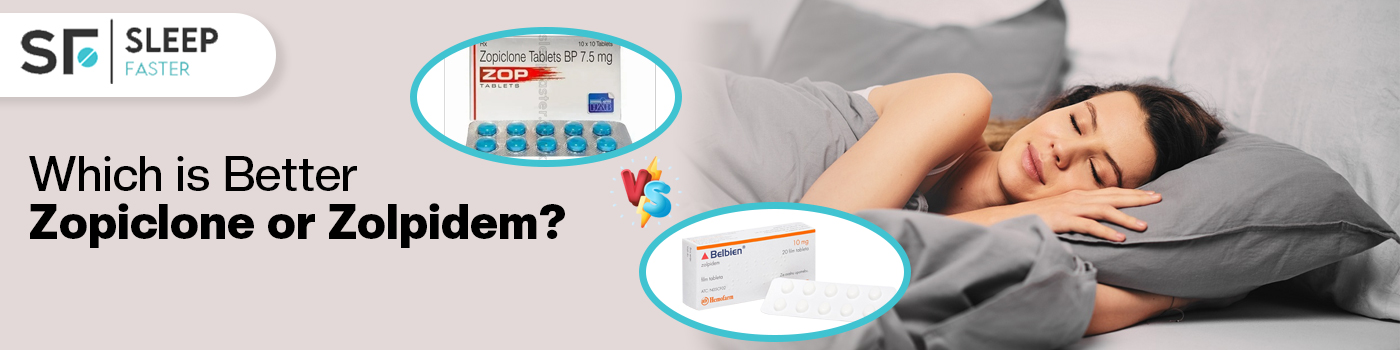
The day has passed, and you have followed all the right steps to calm down your body and mind-no screens, a cup of camomile tea, a dark room but still, your brain doesn't want to rest. Do you relate to this nightly struggle of yours? Then it is probably your doctor who will recommend a sleeping drug to you next. In the UK, the two names you will get to hear the most are Zopiclone and Zolpidem.

Is there such a thing as the 'best' anxiety medication? It's a query that millions of people in the UK and around the globe raise when anxiety takes over their lives. You're looking for a wonder drug that can deactivate worry, and even the racing heart and sleepless nights that go along with it. If you are simply consider undergoing treatment, you will very quickly understand that the answer is not just one name, but rather the whole toolkit of options.

Do you find yourself in the situation where you have to take a sleep aid like Zopiclone and an anxiety treatment like Diazepam at the same time and were thinking about using them together to get more relief?

Is your brain is constantly running a marathon? Do you find yourself trapped in a mental cycle, going over the same conversations or worrying about future possibilities until you are unable to concentrate? This constant mental activity is what we refer to as overthinking or rumination; it is one of the main symptoms of anxiety for many persons. It is tiring, exhausting, and may lead to the feeling of being totally immobilized.
Spending five days or a couple of weeks deprived of sleep, the allure of something giving quick relief would be a strong one. As you lie awake in bed, your mind abuzz with thoughts, of course, morning comes, and you would hardly feel rested one bit. Some people begin posing suggestions to their GPs about medications at this point. One of the often-suggested names is hydroxyzine.
Insomnia is a common sleeping disorder that is characterized by either having difficulty falling asleep or difficulty in staying asleep. It can affect your mood, concentration, and routine activities. It can be categorised as short-term and long-term insomnia.

Nighttime sleep should not create an experience that feels like a fight for most people. You enter your bedroom and switch off all lights, but your brain starts to relive your entire day while making future plans. People need to understand that sleep comes to them faster when they create sleep-friendly conditions in their environment. People should create sleep-friendly environments every day that enable their bodies and minds to achieve sleep.
Waking up during the night and struggling to fall back asleep is one of the most frustrating sleep problems people experience. People with this condition may fall asleep easily but wake during the night and struggle to return to sleep for hours. Sleep maintenance insomnia is a common sleep disorder that is often misunderstood.
People think that sleep will always come to them without effort, but that assumption becomes false when they experience sleep difficulties. The symptoms of excessive daytime sleepiness and nighttime sleep disturbances indicate the presence of medical conditions that require expert evaluation. Insomnia is a condition that develops next.