 07442 978709
07442 978709


Is your brain is constantly running a marathon? Do you find yourself trapped in a mental cycle, going over the same conversations or worrying about future possibilities until you are unable to concentrate? This constant mental activity is what we refer to as overthinking or rumination; it is one of the main symptoms of anxiety for many persons. It is tiring, exhausting, and may lead to the feeling of being totally immobilized.
It is quite likely that you have asked yourself: will this ceaseless mental activity be finally stopped if I take anxiety pills? It is a great and easy-to-understand question. However, the answer turns out to be a bit more intricate than just a 'yes' or 'no'.
Thus, it is time to properly examine the way these drugs actually function as well as what they can and cannot do for that fast thinking.
Overthinking is not simply a matter of repeatedly thinking about a problem, but rather, it is the way one thinks about the problem specifically. It usually ruminates and worries, where ruminating means brooding over past events or feelings while worrying means being preoccupied with future fears.
Generalised Anxiety Disorder (GAD) patients typically overthink in terms of worry that is very difficult to control and persists over a variety of domains such as money, health, work, and family. The problem very often is the rapidity and power of these thoughts, which makes it very hard to focus or even to relax. It is less about a logical discussion of a situation and more about an emotional, non-stop, negative spiral that seems to be impossible to turn off.
The medication for anxiety is not intended to make you stop thinking but rather to mute the physical and emotional pain which causes the overthinking that way.
Most of the anti-anxiety drugs, especially the most frequently prescribed ones, are based on the principle of changing the proportion of certain neurotransmitters (chemical messengers) in your brain. The fear and stress areas of your brain are constantly on high alert, and this leads to a state of emotional arousal.
The drug intervenes and supports the calming of the whole system. By lowering the general level of anxiety, it lowers the need for your brain to continue scanning for threats and to get caught up in that repetitive, worry-related thinking.
In the United Kingdom, the first-line treatment for chronic anxiety and GAD is mostly an antidepressant medication of a type that is known as Selective Serotonin Reuptake Inhibitors (SSRIs) which are examples of them being Sertraline, Citalopram, and Fluoxetine.
SSRI stands for 'Selective Serotonin Reuptake Inhibitor.' Serotonin is a neurotransmitter that is often referred to as the 'feel-good' one, and it is very important for mood, sleep, and emotion.
To help with overthinking, SSRIs will:
It's worth mentioning that the effectiveness of SSRIs is gradual, and it takes usually two to eight weeks, thus there is a need for patience when beginning this kind of therapy.
SSRIs are generally the first step in treatment for anxiety, but other medications can also be used, and they all have different effects on the mind of the anxious person:
Talking therapies, especially Cognitive Behavioural Therapy (CBT), are one of the most effective treatments for overthinking and are often combined with medication.
CBT is aimed at dismantling the cognitive (thinking) and behavioural (action) patterns that promote overthinking. Although your medication may help to control your anxiety, CBT trains you to utilize the practical tools that can help you to exit the mental loop.
If medicine calms your emotional storms, it will be easier for you to catch on to the CBT methods, and hence, you will be able to practice and establish the healthier thinking patterns more readily.
Overthinking, if considered as a treatable issue, will be treated with anxiety medication. Here's what you realistically should expect:
In the end, anxiety medication is an effective means of eliminating the incapacitating and extremely intense anxiety from your body. It transforms the mental state of the person undergoing treatment by bringing down the stress level to a more tolerable range and creating a much-needed mental space. This space or 'breathing room' enables one to finally leave the loop and work on a more peaceful way of thinking along with the therapist's guidance.
If you are stuck due to overthinking, then consult your doctor about the possible treatments. The most significant part of the journey to get rid of the problem is taking that first step.
The content provided on this page is intended for general informational and promotional purposes only and should not be interpreted as medical, clinical, or professional advice.
Any decisions regarding diagnosis, treatment, or patient care must be made exclusively by qualified and licensed healthcare professionals based on individual circumstances.
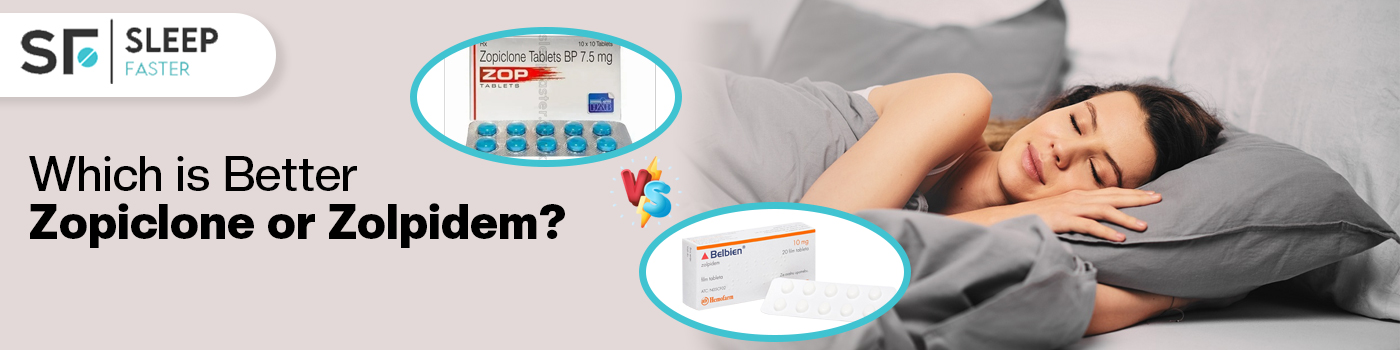
The day has passed, and you have followed all the right steps to calm down your body and mind-no screens, a cup of camomile tea, a dark room but still, your brain doesn't want to rest. Do you relate to this nightly struggle of yours? Then it is probably your doctor who will recommend a sleeping drug to you next. In the UK, the two names you will get to hear the most are Zopiclone and Zolpidem.
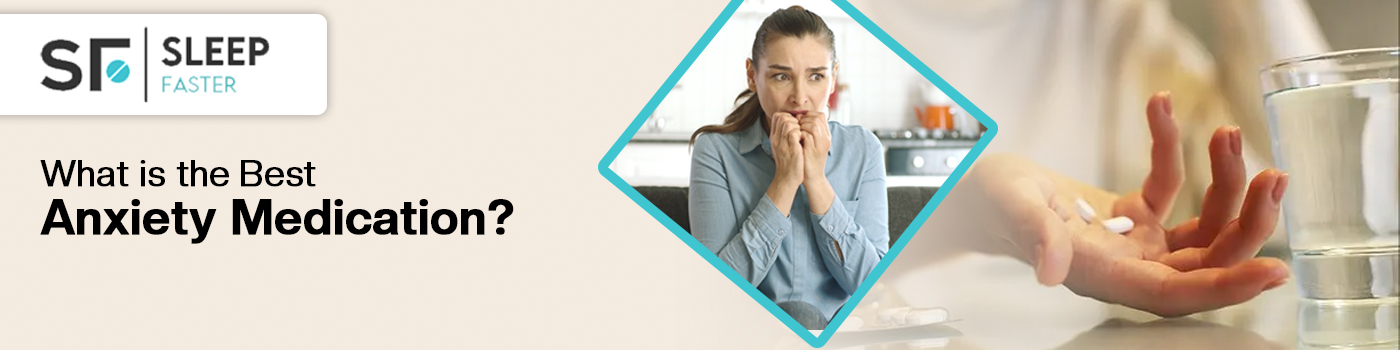
Is there such a thing as the 'best' anxiety medication? It's a query that millions of people in the UK and around the globe raise when anxiety takes over their lives. You're looking for a wonder drug that can deactivate worry, and even the racing heart and sleepless nights that go along with it. If you are simply consider undergoing treatment, you will very quickly understand that the answer is not just one name, but rather the whole toolkit of options.

Do you find yourself in the situation where you have to take a sleep aid like Zopiclone and an anxiety treatment like Diazepam at the same time and were thinking about using them together to get more relief?
Spending five days or a couple of weeks deprived of sleep, the allure of something giving quick relief would be a strong one. As you lie awake in bed, your mind abuzz with thoughts, of course, morning comes, and you would hardly feel rested one bit. Some people begin posing suggestions to their GPs about medications at this point. One of the often-suggested names is hydroxyzine.
It is quite possible that in an attempt to figure out what to do to escape from insomnia, people consider taking a drug. After a few nights, even people who avoid drugs may rely on the thought that taking a pill may just help. Amitriptyline crosses our minds as one of them, though it has been used predominantly as an antidepressant; in times of nightmare-laden sleeplessness, it can be one of the quickest choices.
Insomnia is a common sleeping disorder that is characterized by either having difficulty falling asleep or difficulty in staying asleep. It can affect your mood, concentration, and routine activities. It can be categorised as short-term and long-term insomnia.

Nighttime sleep should not create an experience that feels like a fight for most people. You enter your bedroom and switch off all lights, but your brain starts to relive your entire day while making future plans. People need to understand that sleep comes to them faster when they create sleep-friendly conditions in their environment. People should create sleep-friendly environments every day that enable their bodies and minds to achieve sleep.
Waking up during the night and struggling to fall back asleep is one of the most frustrating sleep problems people experience. People with this condition may fall asleep easily but wake during the night and struggle to return to sleep for hours. Sleep maintenance insomnia is a common sleep disorder that is often misunderstood.
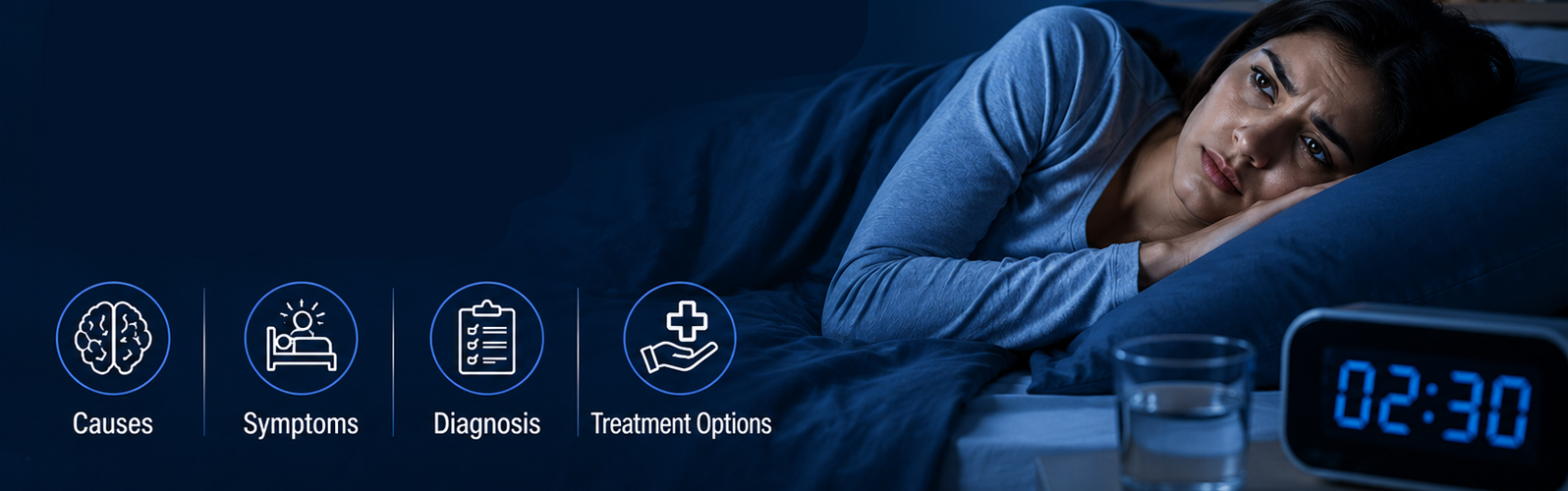
People think that sleep will always come to them without effort, but that assumption becomes false when they experience sleep difficulties. The symptoms of excessive daytime sleepiness and nighttime sleep disturbances indicate the presence of medical conditions that require expert evaluation. Insomnia is a condition that develops next.