 07442 978709
07442 978709

Insomnia is a common sleeping disorder that is characterized by either having difficulty falling asleep or difficulty in staying asleep. It can affect your mood, concentration, and routine activities. It can be categorised as short-term and long-term insomnia.
Though both types may have the same symptoms, underlying causes, management strategies, and expected outcome can be different.
This blog focuses on providing educational information about management of short-term and long-term insomnia.
It is also known as acute insomnia, that refers to a temporary sleep disturbance which can last for a few days or weeks. It is often associated with temporary stressors or lifestyle changes such as:
The symptoms of short-term insomnia are given as follows:
In most cases, symptoms often improve with the removal of the triggering factors. However, timely management can help prevent symptoms from persisting for too long.
In cases of acute insomnia, non-pharmacological strategies may be adapted as the first approach such as:
Such behavioural changes can help reset the body's natural sleep rhythm and can be a low-risk first step. If it is linked to a temporary cause, managing the underlying cause such as pain control, stress management, or travel and work time adjustments can lead to improvement in sleep.
In some cases, your healthcare provider may consider pharmacologic treatment especially when the symptoms are affecting daily routine. Such medications are generally prescribed for short durations only, used under medical supervision, and are selected after assessing potential risks such as dependence, side effects, and interactions.
These medicines may help break the cycle of sleeplessness but generally are not recommended due to the risk of side effects, tolerance, and dependency.
This can be an effective supportive strategy. You can manage stress in following ways:
It is also known as chronic insomnia, defined as difficulty in falling asleep at least three nights a week for three months or longer. Long-term or chronic insomnia is generally linked to a combination of triggers instead of just one, such as:
Since it is multifactorial, chronic insomnia usually requires a planned and structured approach to manage it
CBT-I is usually recommended as the first-line treatment option for long-term (chronic) insomnia and can prove to be very effective. It is a 6- to 8-week treatment plan that helps you learn how to fall asleep faster and stay asleep longer. It can be conducted by a doctor, nurse, or therapist and you can do it in person, by telephone, or online. It involves the following:
Certain prescription medicines are used to treat insomnia and are meant for short-term use while others are meant for longer-term use. Your doctor may prescribe you these medications as and when required depending on your condition. These may include:
Healthcare providers may sometimes use 'off-label medicines,' that are used for other health conditions such as antidepressants, antipsychotics, and anticonvulsant despite being not approved by the U.S. Food and Drug Administration (FDA) to treat insomnia.
Timely intervention can help identify the root cause or underlying medical or psychological triggers of sleep disturbance. Prompt assistance may also bring down the chances that short-term insomnia will develop into long-term insomnia.
A qualified sleep specialist can help if:
A qualified medical expert can assist and find out the underlying issue and provide a customised treatment plan.
All affected individuals may not experience these complications but recognising potential risks marks the importance of early assessment and precise therapy to support general well being.
An ongoing sleep deprivation has been closely associated with certain medical issues such as:
Sleep is not a luxury; it is a necessity. Anyone suffering from short-term or long-term insomnia requires separate strategies to overcome. While one may resolve just by stress management and healthy sleep hygiene the other may require therapies and medications.
The ideal treatment is one that that takes care of the root cause and promotes healthy and undisturbed sleep, not necessarily the fastest one. It is important to seek professional medical advice if symptoms persist as it can transform sleepless nights and restless evenings into healthier and happier sleep.
The content provided on this page is intended for general informational and promotional purposes only and should not be interpreted as medical, clinical, or professional advice.
Any decisions regarding diagnosis, treatment, or patient care must be made exclusively by qualified and licensed healthcare professionals based on individual circumstances.
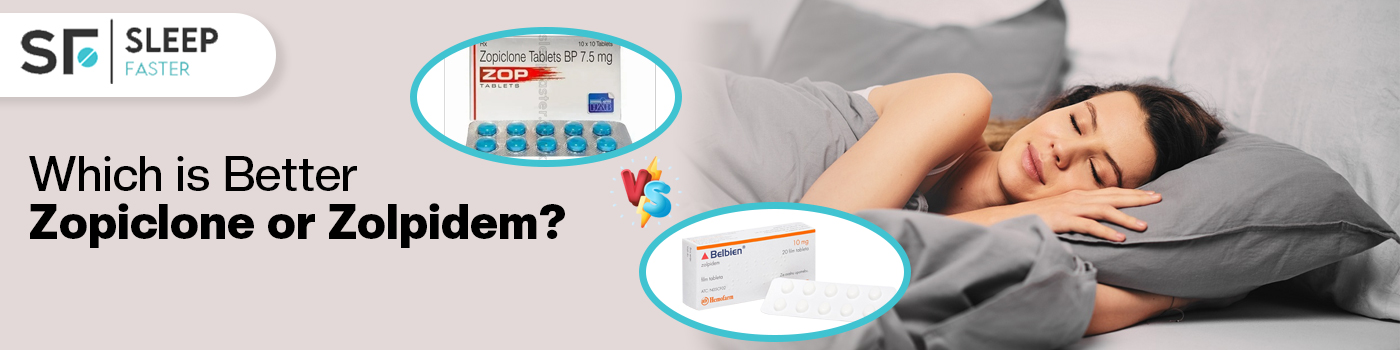
The day has passed, and you have followed all the right steps to calm down your body and mind-no screens, a cup of camomile tea, a dark room but still, your brain doesn't want to rest. Do you relate to this nightly struggle of yours? Then it is probably your doctor who will recommend a sleeping drug to you next. In the UK, the two names you will get to hear the most are Zopiclone and Zolpidem.
Is there such a thing as the 'best' anxiety medication? It's a query that millions of people in the UK and around the globe raise when anxiety takes over their lives. You're looking for a wonder drug that can deactivate worry, and even the racing heart and sleepless nights that go along with it. If you are simply consider undergoing treatment, you will very quickly understand that the answer is not just one name, but rather the whole toolkit of options.
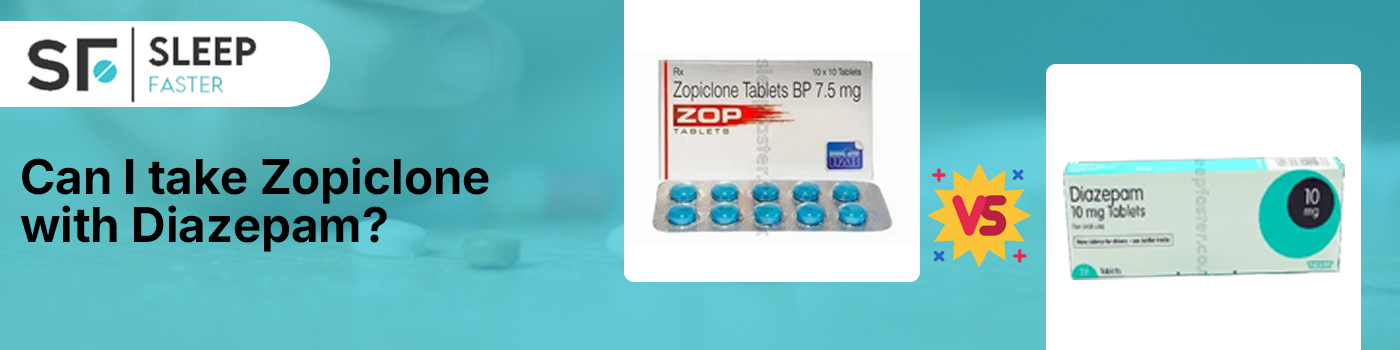
Do you find yourself in the situation where you have to take a sleep aid like Zopiclone and an anxiety treatment like Diazepam at the same time and were thinking about using them together to get more relief?

Is your brain is constantly running a marathon? Do you find yourself trapped in a mental cycle, going over the same conversations or worrying about future possibilities until you are unable to concentrate? This constant mental activity is what we refer to as overthinking or rumination; it is one of the main symptoms of anxiety for many persons. It is tiring, exhausting, and may lead to the feeling of being totally immobilized.
Spending five days or a couple of weeks deprived of sleep, the allure of something giving quick relief would be a strong one. As you lie awake in bed, your mind abuzz with thoughts, of course, morning comes, and you would hardly feel rested one bit. Some people begin posing suggestions to their GPs about medications at this point. One of the often-suggested names is hydroxyzine.
It is quite possible that in an attempt to figure out what to do to escape from insomnia, people consider taking a drug. After a few nights, even people who avoid drugs may rely on the thought that taking a pill may just help. Amitriptyline crosses our minds as one of them, though it has been used predominantly as an antidepressant; in times of nightmare-laden sleeplessness, it can be one of the quickest choices.
Nighttime sleep should not create an experience that feels like a fight for most people. You enter your bedroom and switch off all lights, but your brain starts to relive your entire day while making future plans. People need to understand that sleep comes to them faster when they create sleep-friendly conditions in their environment. People should create sleep-friendly environments every day that enable their bodies and minds to achieve sleep.
Waking up during the night and struggling to fall back asleep is one of the most frustrating sleep problems people experience. People with this condition may fall asleep easily but wake during the night and struggle to return to sleep for hours. Sleep maintenance insomnia is a common sleep disorder that is often misunderstood.
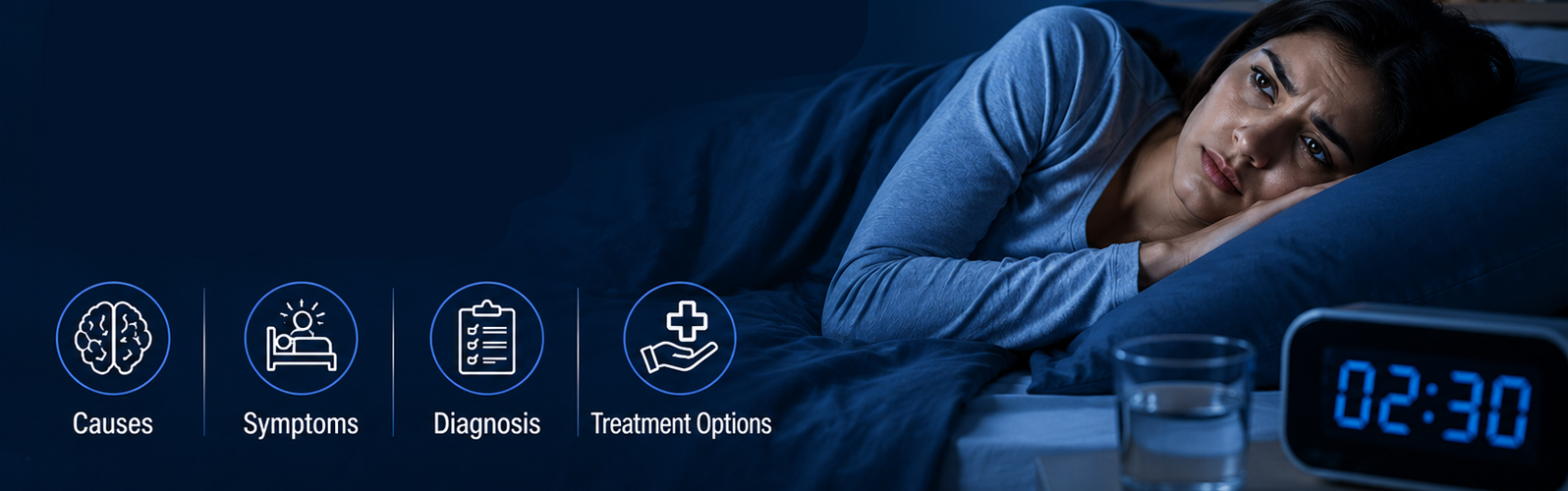
People think that sleep will always come to them without effort, but that assumption becomes false when they experience sleep difficulties. The symptoms of excessive daytime sleepiness and nighttime sleep disturbances indicate the presence of medical conditions that require expert evaluation. Insomnia is a condition that develops next.