 07442 978709
07442 978709

Waking up during the night and struggling to fall back asleep is one of the most frustrating sleep problems people experience. People with this condition may fall asleep easily but wake during the night and struggle to return to sleep for hours. Sleep maintenance insomnia is a common sleep disorder that is often misunderstood.
People usually wake up during the night for short periods, which medical experts consider a natural aspect of human sleep. People who experience sleep problems should seek medical help when they find themselves awake for extended periods or when they struggle to fall asleep again after awakening.
To improve sleep, it is important to understand what is causing these repeated night-time awakenings.
Sleep maintenance insomnia is the inability to stay asleep through the night. Unlike sleep-onset insomnia, which makes it difficult to fall asleep, sleep maintenance insomnia affects your ability to stay asleep throughout the night. People with this condition often:
Over time, this can lead to concentration problems, mood changes, and a decline in overall health. Many people do not realise they have this form of insomnia, which can delay proper treatment and support.
Sleep is not a single continuous state. Instead, it occurs in repeated cycles throughout the night, including light sleep, deep restorative sleep, and REM sleep. People naturally experience short periods of wakefulness, which occur between their sleep cycles. Most people simply don't remember it. Problems arise when the brain becomes fully alert during these natural transitions.
Stress and environmental disturbances can make the brain more sensitive during these transitions. Your mind gets stuck in an awake state instead of moving into the next sleep cycle. Over time, this can become a learned sleep pattern. Over time, the brain may begin to associate nighttime with wakefulness, which makes it difficult for you to fall asleep again. Understanding this helps shift your mindset. The issue is not the brief awakening itself, but the body's difficulty returning to sleep. The goal is not to prevent every nighttime awakening but to help the body return to sleep naturally.
Stress is one of the main causes of nighttime waking. When stress levels are high, the body remains in a heightened state of alertness. Even during sleep, the brain may remain partially alert, so people wake up more frequently throughout the night.
How It Affects Sleep
Anxiety creates a loop that starts when you wake up and continues through your worry about not sleeping, which makes your brain more alert and results in greater difficulty sleeping. The brain develops a connection between nighttime waking and stress, which results in the establishment of a permanent pattern.
Your sleep is regulated by an internal biological clock known as the circadian rhythm. Two key hormones play a role:
Sleep problems can occur when this balance between sleep and wakefulness becomes disrupted. Common disruptions include:
When the body clock becomes misaligned, melatonin production may decline during the night, which can lead to early morning waking. The body relies on consistent daily patterns to maintain a healthy sleep-wake cycle.
Your sleep quality at night depends on your daily activities. Your sleep patterns become unstable when you combine insufficient exercise with inconsistent daily routines and excessive time spent on screens. Your body requires daytime activities to create sufficient sleep pressure; without this pressure, you will find it easier to wake up during the night. Sunlight exposure also plays a key role. Morning natural light helps your body establish its circadian rhythm, which results in more consistent sleep and wake times throughout the day.
Other lifestyle factors that may contribute include:
Your body responds to your sleeping patterns by creating a sleep pattern that becomes more difficult to predict when you fail to maintain consistent sleeping times. Your body needs a daily routine that includes fixed wake-up times, scheduled meals, and exercise breaks because this pattern helps you maintain sleep throughout the night.
Sleep maintenance insomnia is rarely caused by one single factor. Studies identify multiple factors that contribute to night-time waking. Environmental factors such as noise, light, and room temperature can disturb sleep.
The medical conditions that cause pain, breathing issues, and digestive problems, which affect the body, are also a cause of sleep disruption. Alcohol consumption creates initial sedation, but it results in sleep disturbances during the night. Caffeine can remain active in the body for several hours, so reducing intake may help improve sleep quality.
Now let's get practical, what actually helps?
Consistency is one of the most effective ways to improve sleep quality. The practice of going to bed and waking up at the same time every day establishes a body clock schedule, which results in more stable and predictable sleep patterns.
The body clock responds best to regular sleep and wake times because both irregular schedules and extended daytime naps interfere with normal sleep patterns, which lead to increased nighttime awakenings.
Your body receives a sleep signal through the development of a peaceful pre-sleep routine, which includes reading, light stretching, and listening to soothing sounds. The development of consistent sleep patterns establishes a stronger circadian rhythm, which enables you to maintain uninterrupted sleep throughout the night.
If stress or anxiety is causing night-time waking, it should be addressed before bedtime. Stress can feel more overwhelming during the night because the mind remains active and focused on the inability to sleep.
The practice of journaling, deep breathing exercises, and light stretching exercises provides a method for people to release their built-up tension. The activities produce a calming effect that helps to control the nervous system while decreasing mental activity, which leads to easier transitions into deeper sleep stages. Preparing the mind before bed can make it easier to return to sleep after waking during the night.
The activities you choose after waking up at night will determine your speed for returning to sleep. Activities such as checking your phone, turning on bright lights, or watching the clock can stimulate the brain and make it harder to fall asleep again. The brain activation results in difficulties for you to go back to sleep.
You should create a quiet space that has dim lighting for your needs. You should avoid any activities that require you to think intensely. Your body will find it easier to go back to sleep when your brain receives less electrical activity. The creation of a low-stimulation environment enables people to recover from their nighttime awakenings.
The best solution for you is to leave your bed when you have been awake for 20 to 30 minutes because sleep becomes more difficult to achieve. Your brain will start connecting your bed with wakefulness when you remain in bed while you should be sleeping.
You should instead get out of bed to perform calming activities that require dim light, such as reading or listening to soothing music. You should stay away from screens, together with any form of bright illumination. Return to your bed after you start feeling drowsy again. This method establishes a new sleep pattern while creating a long-term association between your bed and sleep that develops healthy sleep habits.
Your daily habits have a direct impact on how well you stay asleep at night. People should limit caffeine consumption after noon because it may disrupt their sleep patterns, as its effects can last for several hours. Although alcohol helps people relax at first, it causes them to wake up during the night because it disrupts their sleep patterns.
Your body needs more time to achieve restful sleep when you consume heavy meals or eat late at night. The implementation of minor changes through lighter dinner meals and proper nutritional balance will result in reduced sleep disturbances and continuous sleep patterns.
Cognitive Behavioural Therapy for Insomnia (CBT-i) is considered one of the most effective treatments for chronic sleep maintenance insomnia. The program works by identifying sleep-disrupting thoughts and behaviors before proceeding to transform those particular elements.
The treatment method of CBT-i helps individuals overcome their nighttime waking problem while decreasing their sleep-related anxiety and establishing better sleep habits. In the UK, the National Institute for Health and Care Excellence recommends CBT-i as the primary treatment option for chronic insomnia. CBT-i can provide long-term improvements by addressing the underlying causes of poor sleep habits because it solves the fundamental problem of their sleep disturbances instead of merely treating their symptoms.
People experience sleep disruptions now and then. Nighttime waking becomes a concern when it happens frequently and affects daily functioning.
The brain develops chronic sleep maintenance insomnia when it begins to link nighttime hours with staying awake instead of sleeping. This pattern generally occurs after multiple nights of experiencing sleep interruptions.
Over time, chronic sleep disruption can affect both physical and mental health.
You may start to:
These patterns can create a cycle that makes sleep problems worse over time. The structured method of CBT-i functions as an efficient solution for this situation. Their assessment of sleep problems includes all sleep-related activities that contribute to maintaining the problem.
It is important to recognise when temporary sleep disruption has become an ongoing problem. The early treatment of this condition prevents its development into a long-standing pattern.
Waking up briefly during the night is normal. The problem begins when you struggle to fall back asleep. In many cases, the body is still capable of sleeping, but stress, habits, or environmental factors interfere with the process.
The key is to identify the cause, whether it is stress, hormonal changes, lifestyle habits, or environmental factors, and then apply the right solution. Your sleep patterns will return to their normal state after you follow consistent practices together with effective methods.
This content is intended for general information only and should not be taken as medical advice, diagnosis, or treatment. Although the information is accurate and up to date, it is not intended to replace professional medical advice.
In case you are having difficulties sleeping or other medical issues, consider consulting an appropriate medical professional, such as a general practitioner or specialist. You should not ignore, delay, or disregard professional medical advice based on the information presented in this content.
The content provided on this page is intended for general informational and promotional purposes only and should not be interpreted as medical, clinical, or professional advice.
Any decisions regarding diagnosis, treatment, or patient care must be made exclusively by qualified and licensed healthcare professionals based on individual circumstances.
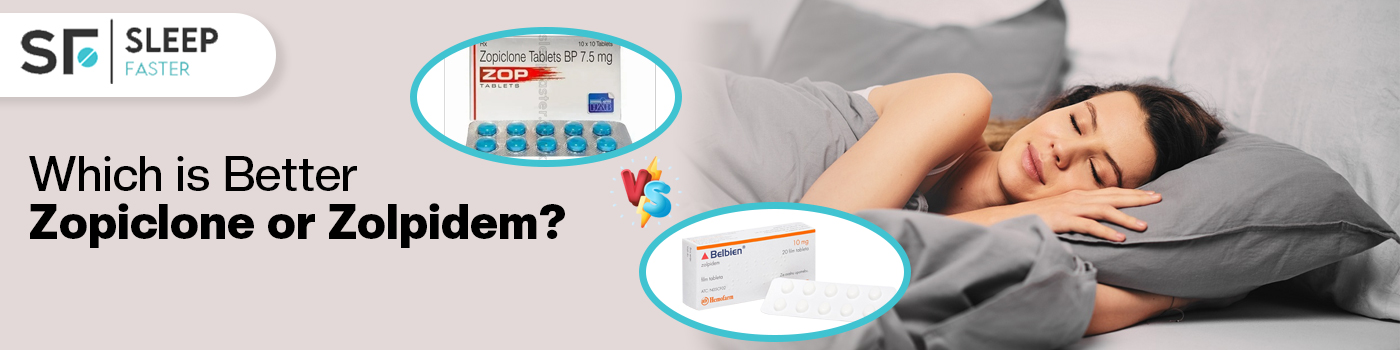
The day has passed, and you have followed all the right steps to calm down your body and mind-no screens, a cup of camomile tea, a dark room but still, your brain doesn't want to rest. Do you relate to this nightly struggle of yours? Then it is probably your doctor who will recommend a sleeping drug to you next. In the UK, the two names you will get to hear the most are Zopiclone and Zolpidem.

Is there such a thing as the 'best' anxiety medication? It's a query that millions of people in the UK and around the globe raise when anxiety takes over their lives. You're looking for a wonder drug that can deactivate worry, and even the racing heart and sleepless nights that go along with it. If you are simply consider undergoing treatment, you will very quickly understand that the answer is not just one name, but rather the whole toolkit of options.

Do you find yourself in the situation where you have to take a sleep aid like Zopiclone and an anxiety treatment like Diazepam at the same time and were thinking about using them together to get more relief?

Is your brain is constantly running a marathon? Do you find yourself trapped in a mental cycle, going over the same conversations or worrying about future possibilities until you are unable to concentrate? This constant mental activity is what we refer to as overthinking or rumination; it is one of the main symptoms of anxiety for many persons. It is tiring, exhausting, and may lead to the feeling of being totally immobilized.
Spending five days or a couple of weeks deprived of sleep, the allure of something giving quick relief would be a strong one. As you lie awake in bed, your mind abuzz with thoughts, of course, morning comes, and you would hardly feel rested one bit. Some people begin posing suggestions to their GPs about medications at this point. One of the often-suggested names is hydroxyzine.

It is quite possible that in an attempt to figure out what to do to escape from insomnia, people consider taking a drug. After a few nights, even people who avoid drugs may rely on the thought that taking a pill may just help. Amitriptyline crosses our minds as one of them, though it has been used predominantly as an antidepressant; in times of nightmare-laden sleeplessness, it can be one of the quickest choices.
Insomnia is a common sleeping disorder that is characterized by either having difficulty falling asleep or difficulty in staying asleep. It can affect your mood, concentration, and routine activities. It can be categorised as short-term and long-term insomnia.
Nighttime sleep should not create an experience that feels like a fight for most people. You enter your bedroom and switch off all lights, but your brain starts to relive your entire day while making future plans. People need to understand that sleep comes to them faster when they create sleep-friendly conditions in their environment. People should create sleep-friendly environments every day that enable their bodies and minds to achieve sleep.
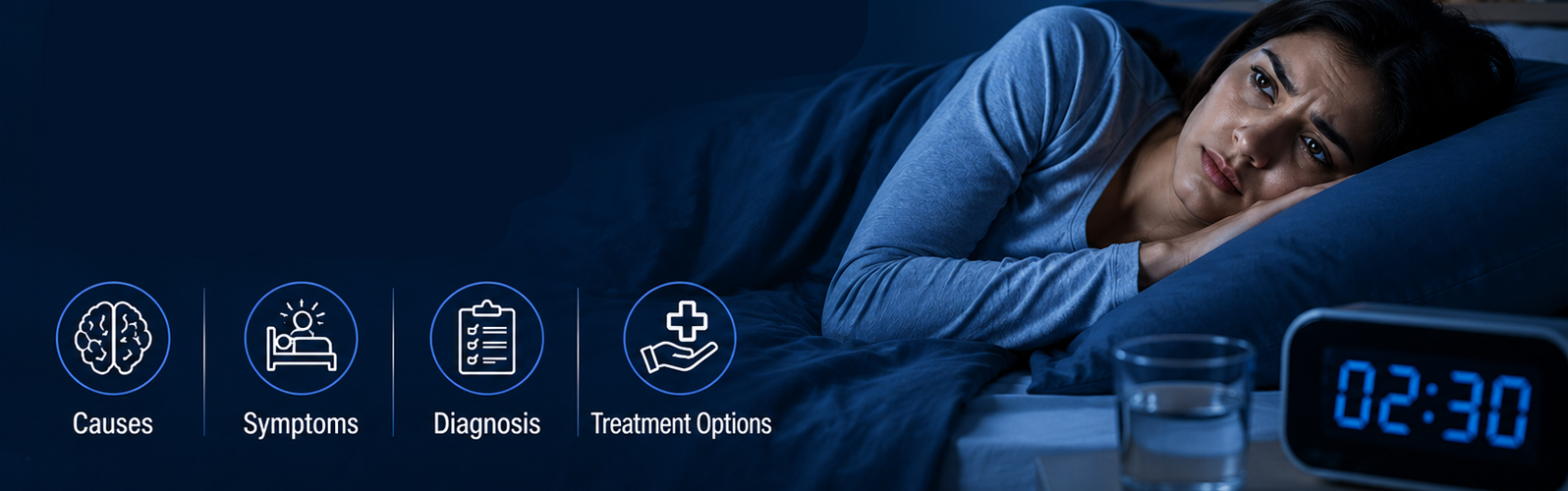
People think that sleep will always come to them without effort, but that assumption becomes false when they experience sleep difficulties. The symptoms of excessive daytime sleepiness and nighttime sleep disturbances indicate the presence of medical conditions that require expert evaluation. Insomnia is a condition that develops next.